
The Anatomy of a Picture Book Plot
Picture books are often thought of as “simple.” Short sentences. Only so many pages. A quick read.
But anyone who has ever tried to write one knows the truth: like poetry, the simplicity is the result of extraordinary precision. A successful picture book plot is carefully constructed beneath the surface, quietly doing its work while readers experience only ease and delight.
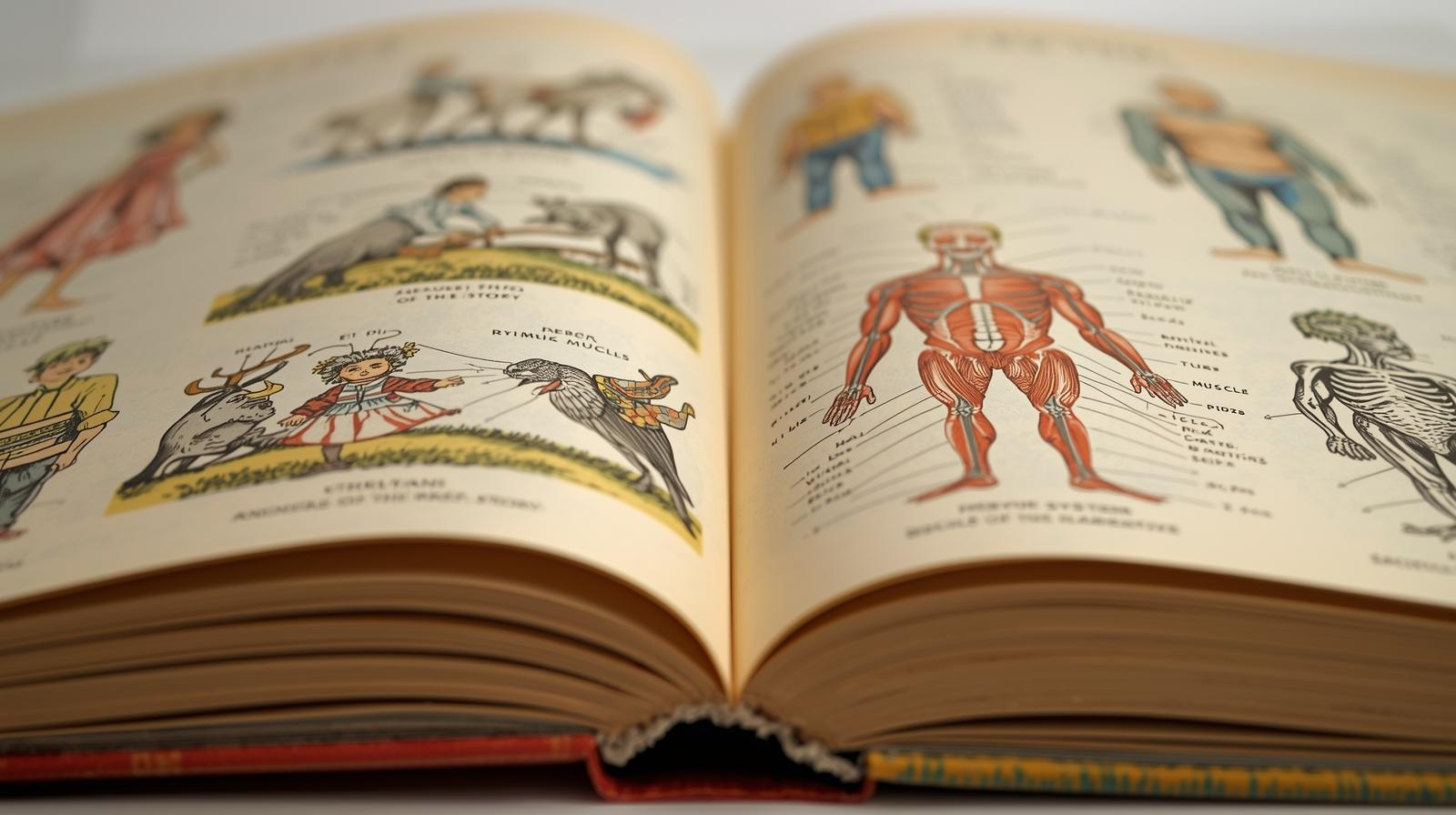
I often think of picture book plots as living structures. They have a spine, a skeleton, muscles, and—most importantly—a heart. When all of those elements are working together, the story feels effortless. When one is missing, the imbalance is immediately felt, even if we can’t quite name why.
Every strong picture book begins with a central dramatic question. Something unsettles the character’s normal world. A want or need emerges. A problem demands resolution. Beneath the charming language or playful premise lies a simple engine driving the story forward: Will this character succeed?
That question becomes the spine of the plot. It holds everything upright. Without it, scenes may be lovely but they drift rather than build.
From there, the story grows through change. We meet the character in their normal world, and then something shifts—an interruption, a mistake, a longing, an invitation. The character begins trying to solve the problem or pursue the goal, and those attempts form the rising action of the story. What matters most is not simply that attempts occur, but that each one deepens the situation and moves the story forward. The stakes rise.
Young readers may not consciously analyze structure, but they feel this escalation instinctively. They sense when a story is moving somewhere—and when it is merely circling.
Eventually, the story reaches its turning point: a moment when something internal changes as much as something external. The solution rarely works because the character suddenly becomes lucky or some wise elder swoops in and solves it for them. It works because the character takes a risk or makes a choice, and because they have grown or changed in the process.
That internal shift is the true heart of plot. And picture books add one more layer unique to the form: the power of the page turn. Each spread functions like a heart beat. It creates a small moment of suspense, a breath held between what has happened and what comes next. Plot, in picture books, unfolds rhythmically—beat by beat, turn by turn.
When all of these elements align, readers don’t notice the structure at all. They simply lean forward, eager to see what happens next.
And that quiet eagerness—that irresistible pull—is the unmistakable sign of a plot doing exactly what it was built to do.

oQHnWnkU
March 13, 2026 at 11:47 am555