How Do Writers Handle Censorship and Book Bans?
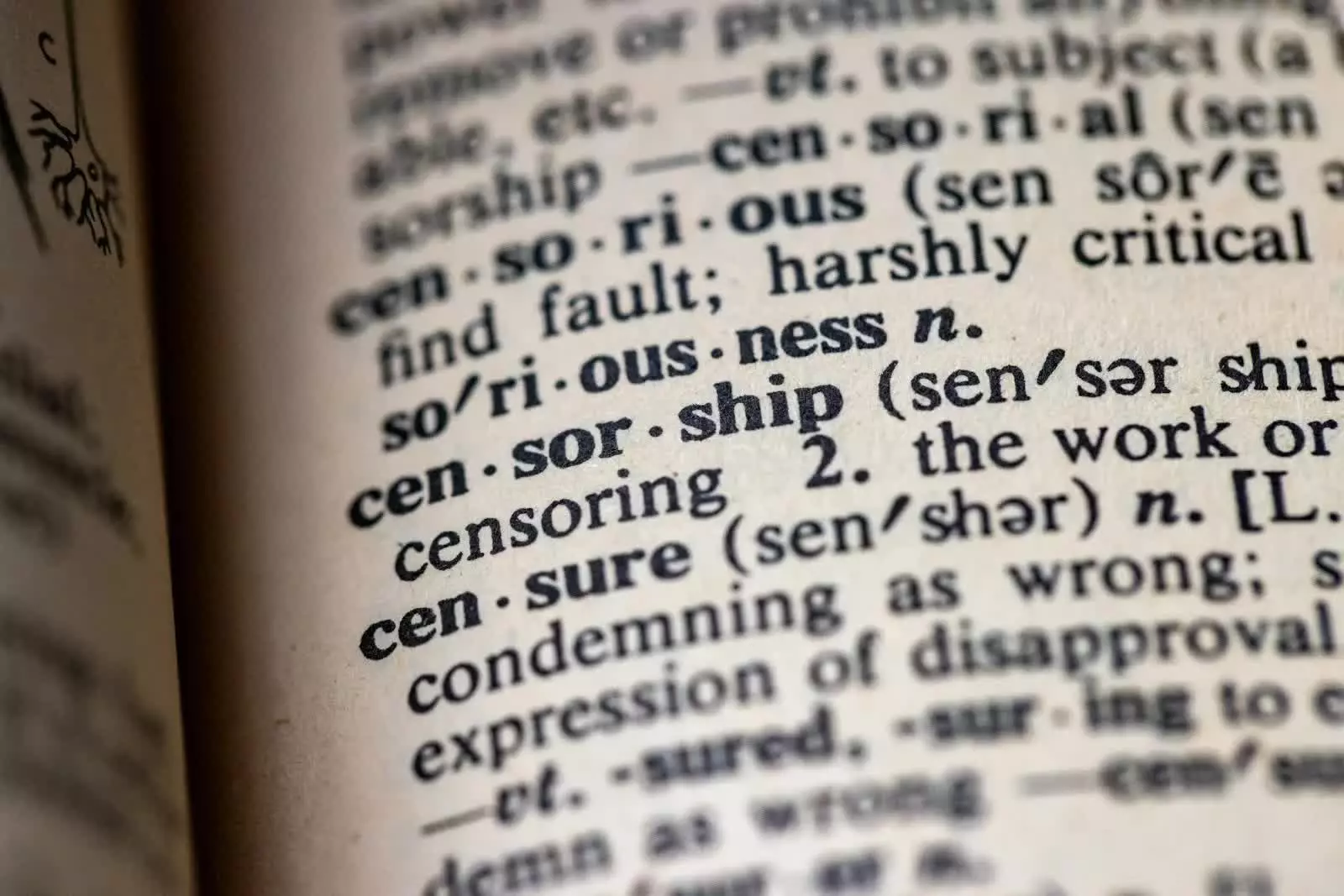
Children’s publishing has increasingly become a battleground for larger cultural and political conflicts. As book bans and censorship efforts rise, many writers find themselves grappling with difficult questions about artistic freedom, responsibility, and advocacy.
For authors, this can feel deeply personal. Stories often emerge from genuine attempts to help young readers feel seen, understood, or less alone. Watching those stories challenged or removed can therefore feel painful and frightening. At the same time, many writers remain committed to the belief that young people deserve access to a wide range of perspectives and experiences.
Organizations such as PEN America, the American Library Association, and Authors Against Book Bans have become increasingly important sources of advocacy, and it’s important for authors to support these organizations so that they continue to have the resources to be of assistance when needed.
The conversation around censorship is rarely simple. Parents, educators, librarians, and communities all bring different values and concerns to the table. But historically, literature has always played an essential role in helping societies wrestle with difficult questions, and children’s books are no exception.
The goal of literature is not merely entertainment. Sometimes it’s about understanding. Sometimes it’s empathy. Sometimes it’s helping readers realize they are not alone. But this can only happen in a world where the freedom to choose what we write about and what we read remains an inalienable right.
