How Much Creative Control Do Authors Really Have?
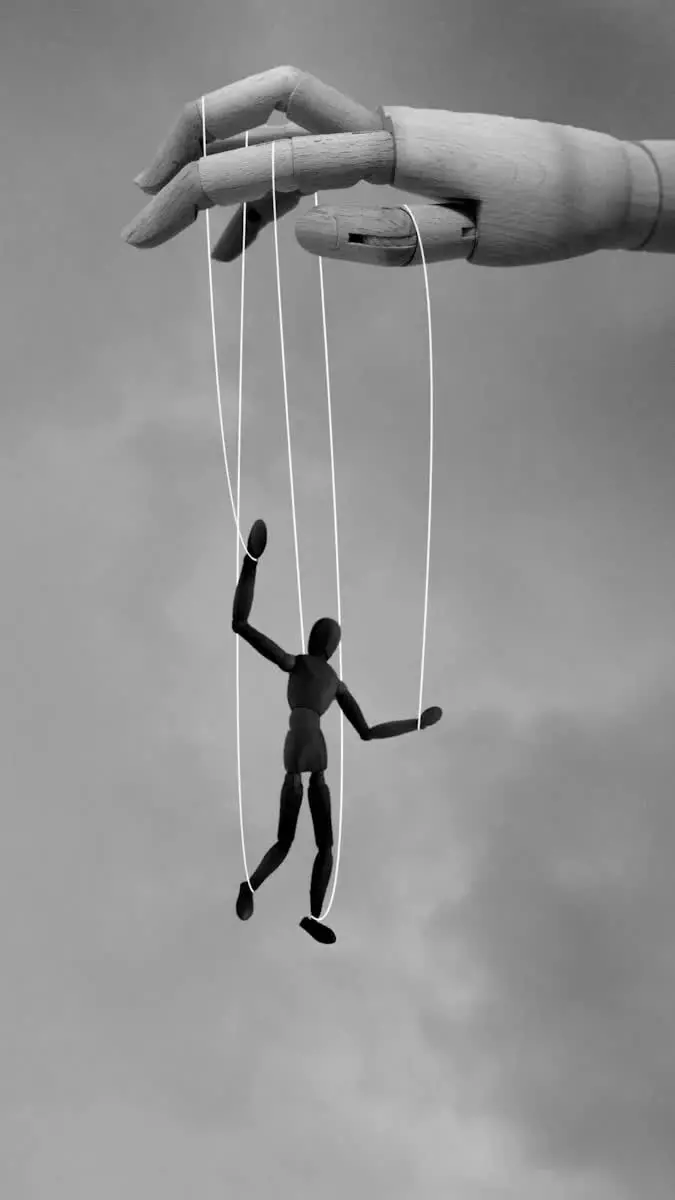
Aspiring authors are often nervous about the possibility of losing creative control once they enter the publishing world.
Will editors change everything? Will illustrators change the vision? Will publishers alter the story beyond recognition?
In reality, the answer is more collaborative than many writers expect.
Publishing is built on partnership. Editors are not generally trying to erase an author’s voice or artistic vision. Their goal is to help the manuscript succeed — creatively and commercially. That means revision conversations can sometimes become extensive.
Titles change. Scenes are cut. Characters deepen. Endings shift.
For newer writers especially, this can feel frightening. But revision is not punishment. It’s refinement.
The healthiest author-editor relationships are grounded in trust. Strong editors elevate work. They ask hard questions. They challenge weak spots. They help writers clarify the emotional and structural heart of the story.
At the same time, authors absolutely retain the right to advocate for elements that feel essential to the integrity of the work.
Remember, too, that for picture books, the art tells half – if not more – of the story. The illustrator may indeed bring something different than you envisioned to the book, but it’s likely to be better. I can’t tell you how many times I’ve been surprised and delighted by an illustrator’s approach or idea that was completely different than my own.
Publishing works best when both sides remain open, collaborative, and thoughtful.
The process is less about surrendering artistic identity and more about helping the book become its strongest possible self.
